Rodrigo Díaz, Concept Specialist at Estudio AMA, raises a great question: what happens when architecture becomes more than a physical construction and is abstracted into a theory?
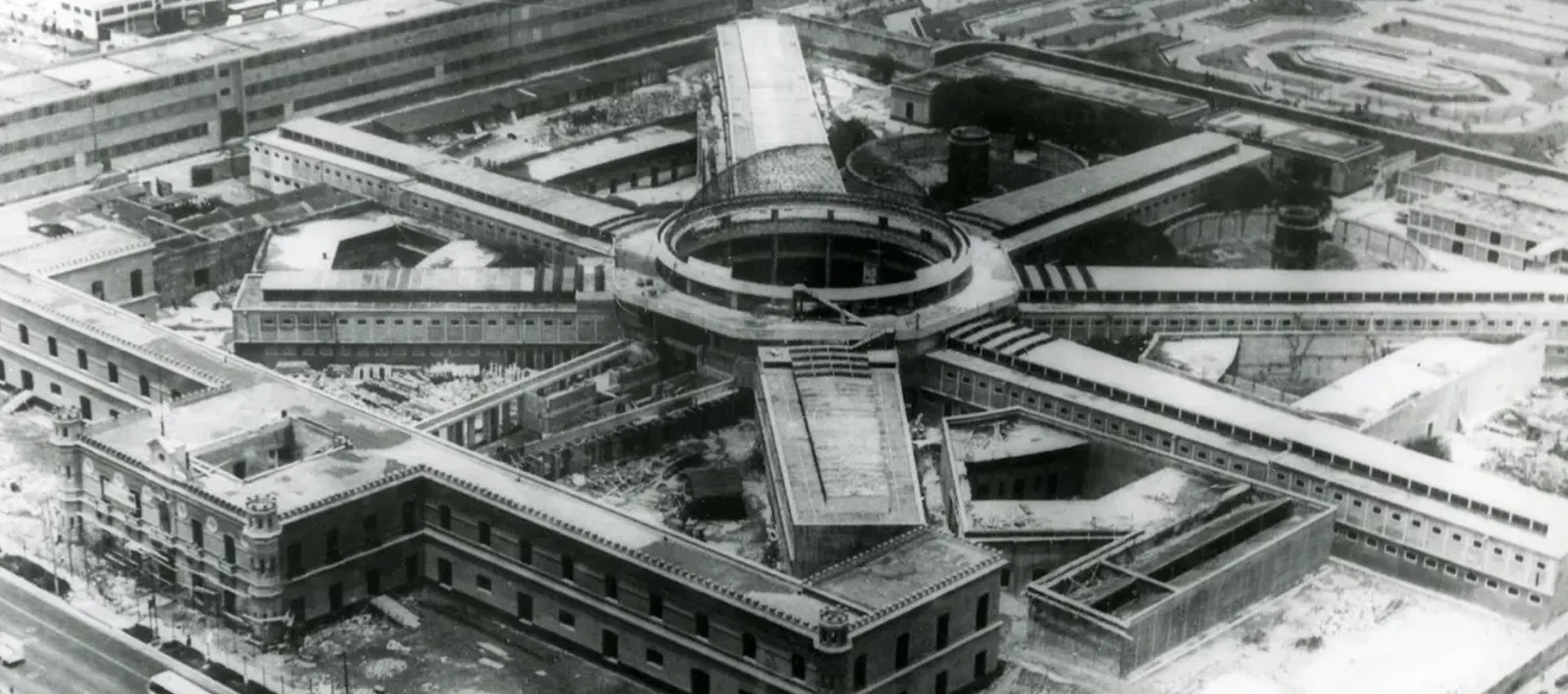
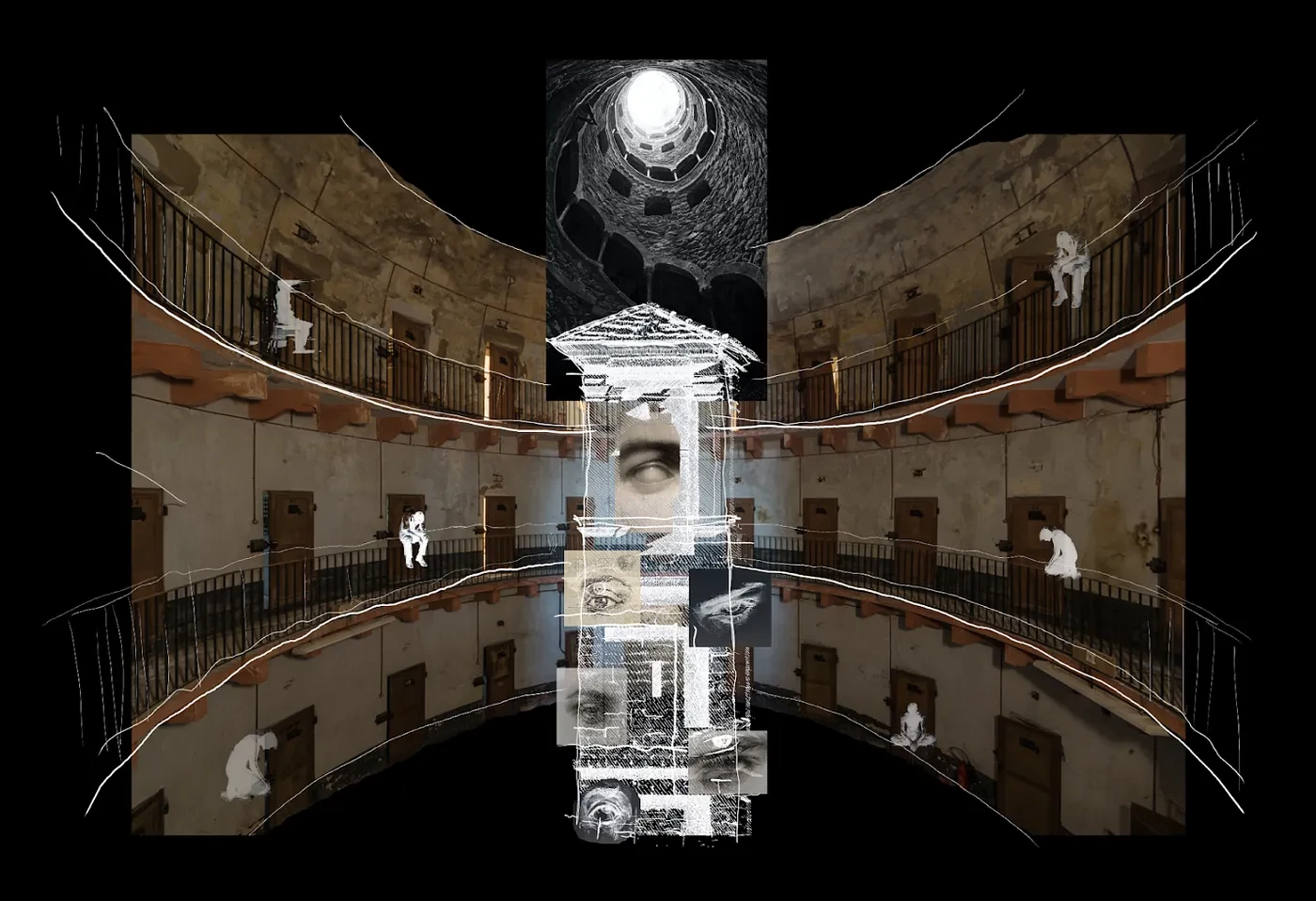
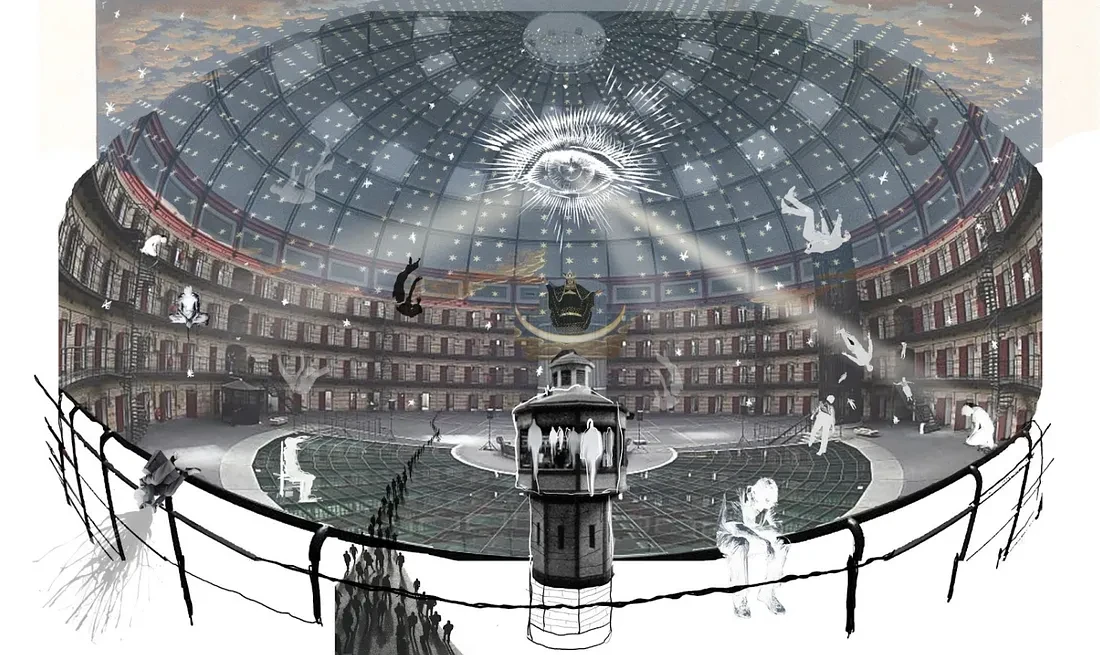
He illustrates how the tangible shifts into the intangible through the Middlesex Prison, designed under the panoptic model conceived by Jeremy Bentham in 1791. This model not only introduced a new architectural scheme, but also opened the door to thinking about the behaviors that space can provoke. He presents additional examples that apply this model and further expands on it through Discipline and Punish by Michel Foucault, explaining how the panoptic framework “lives in our minds” as a mechanism to regulate social behavior. “Example of how architecture can transcend beyond itself.”